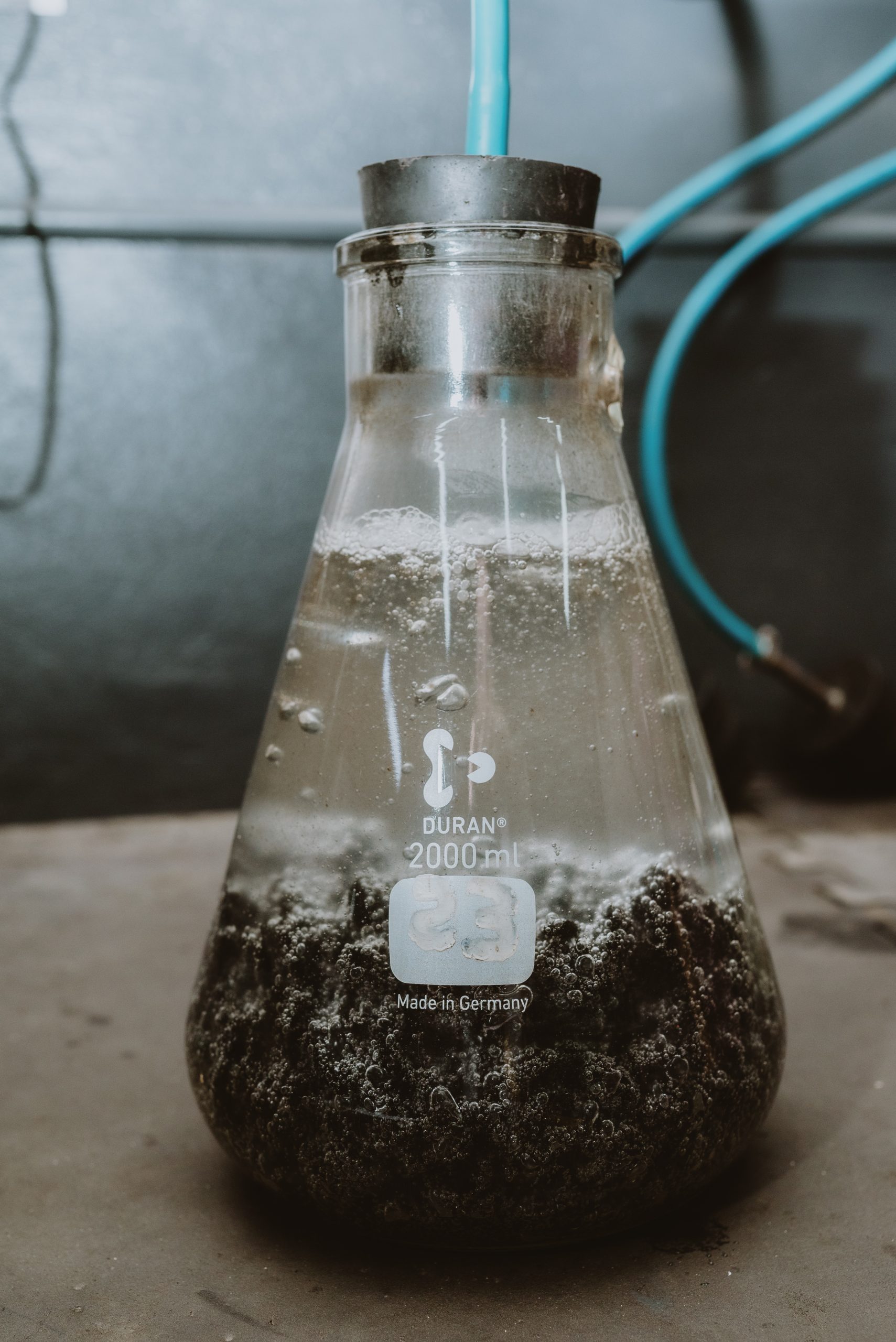
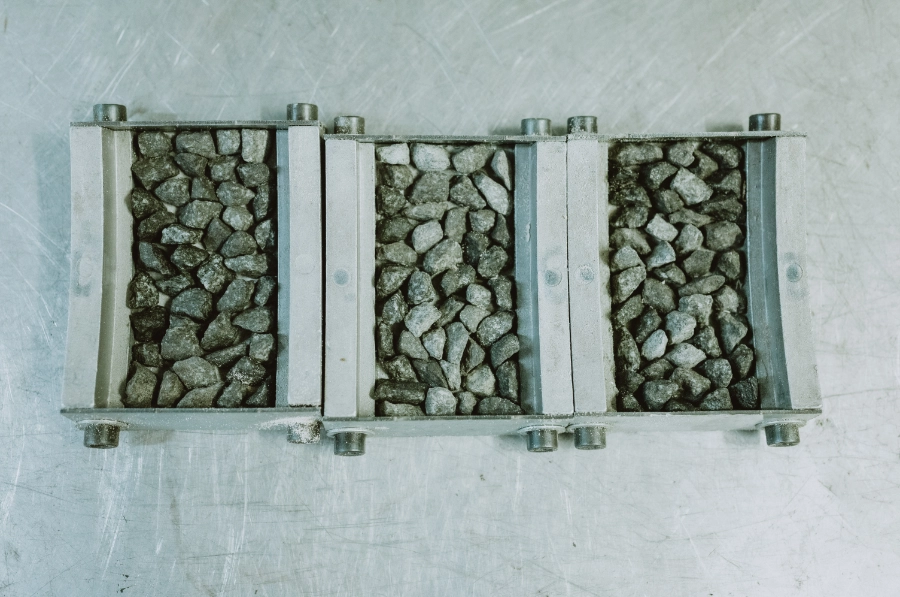
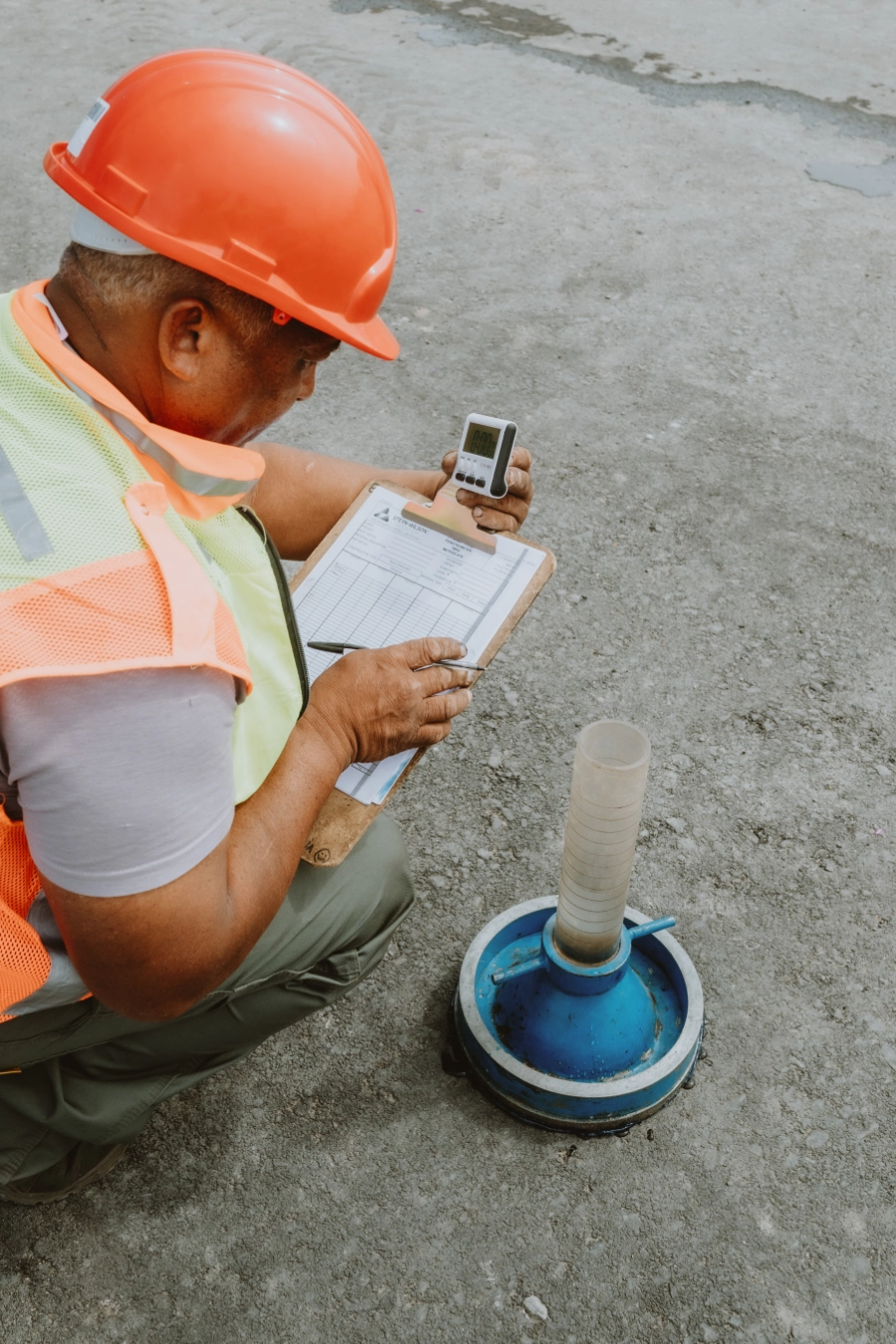
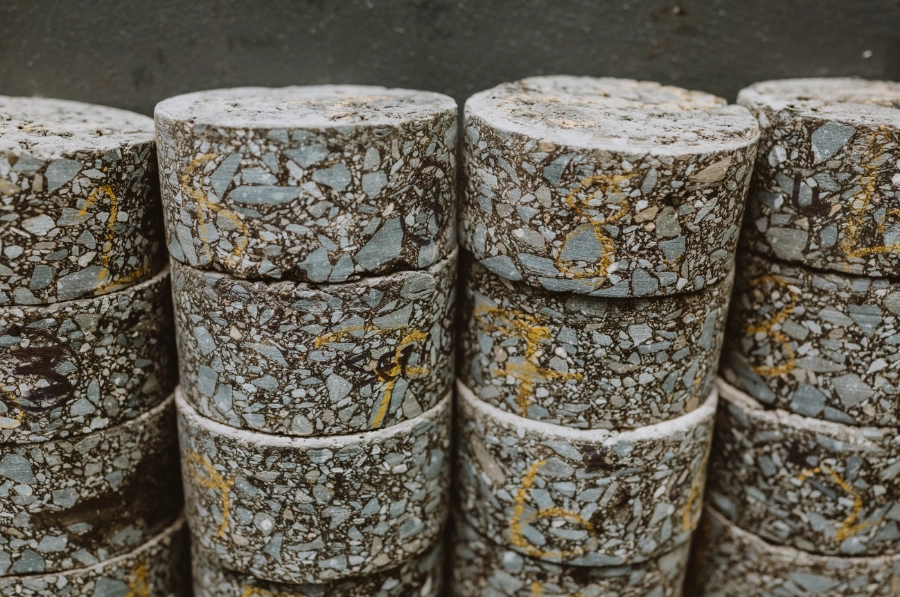
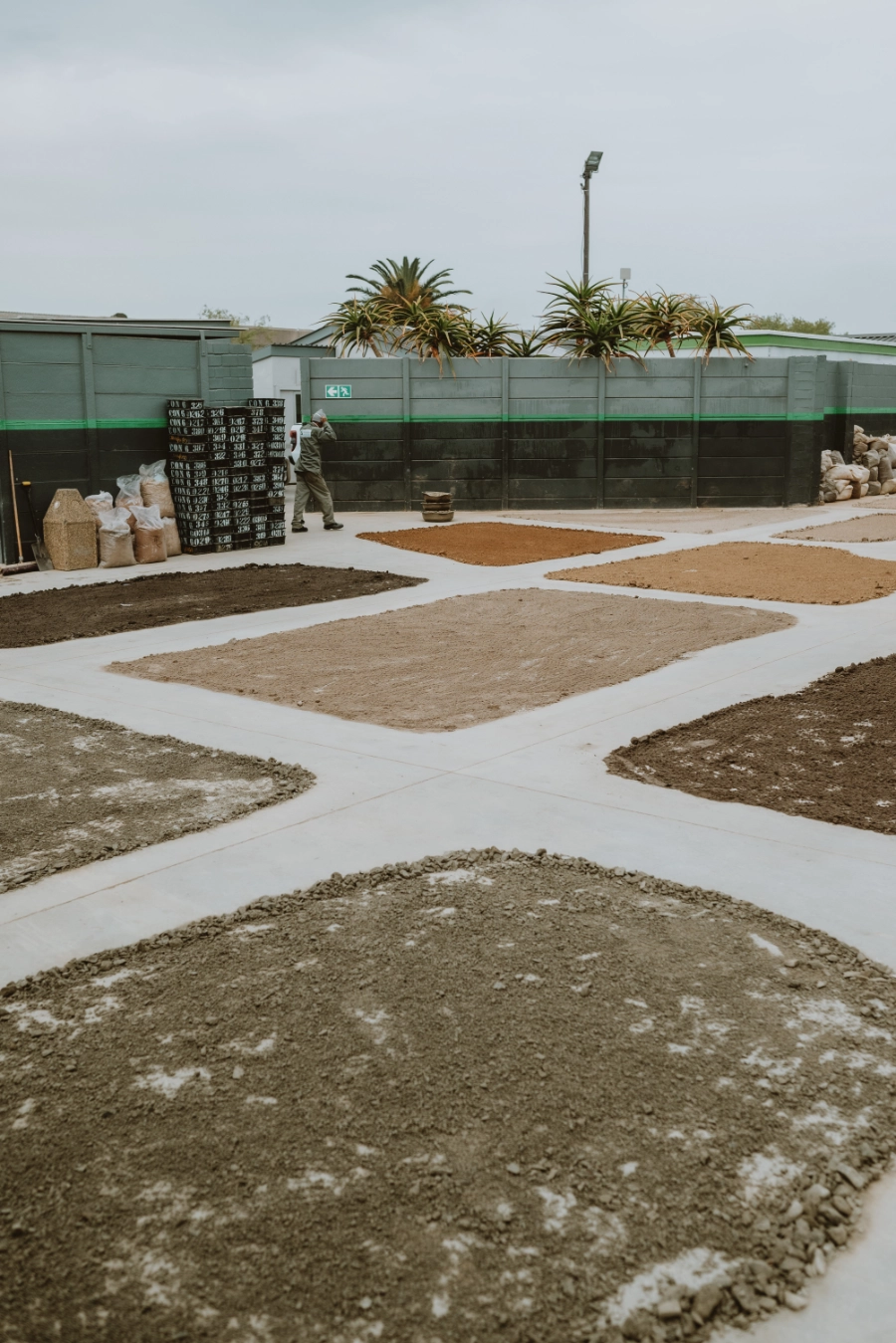
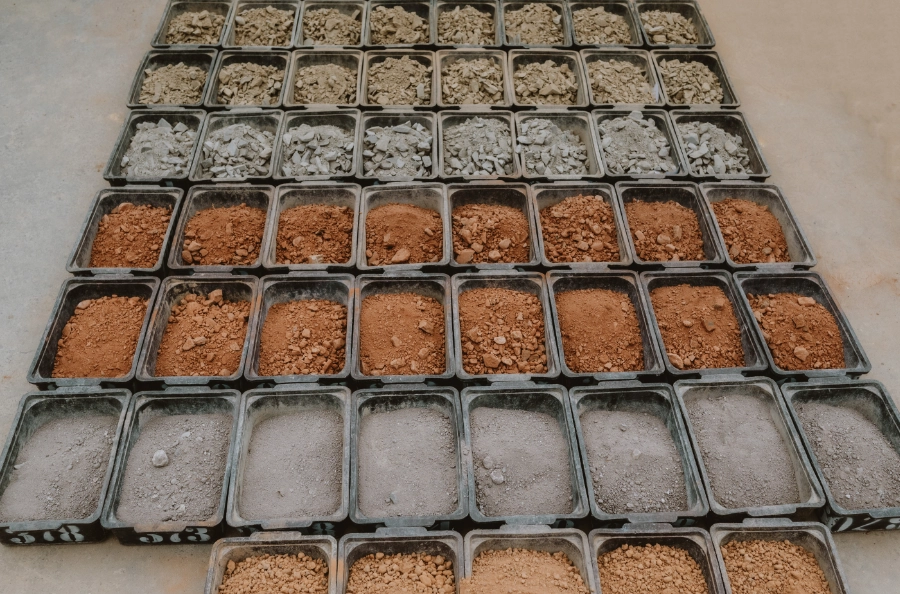
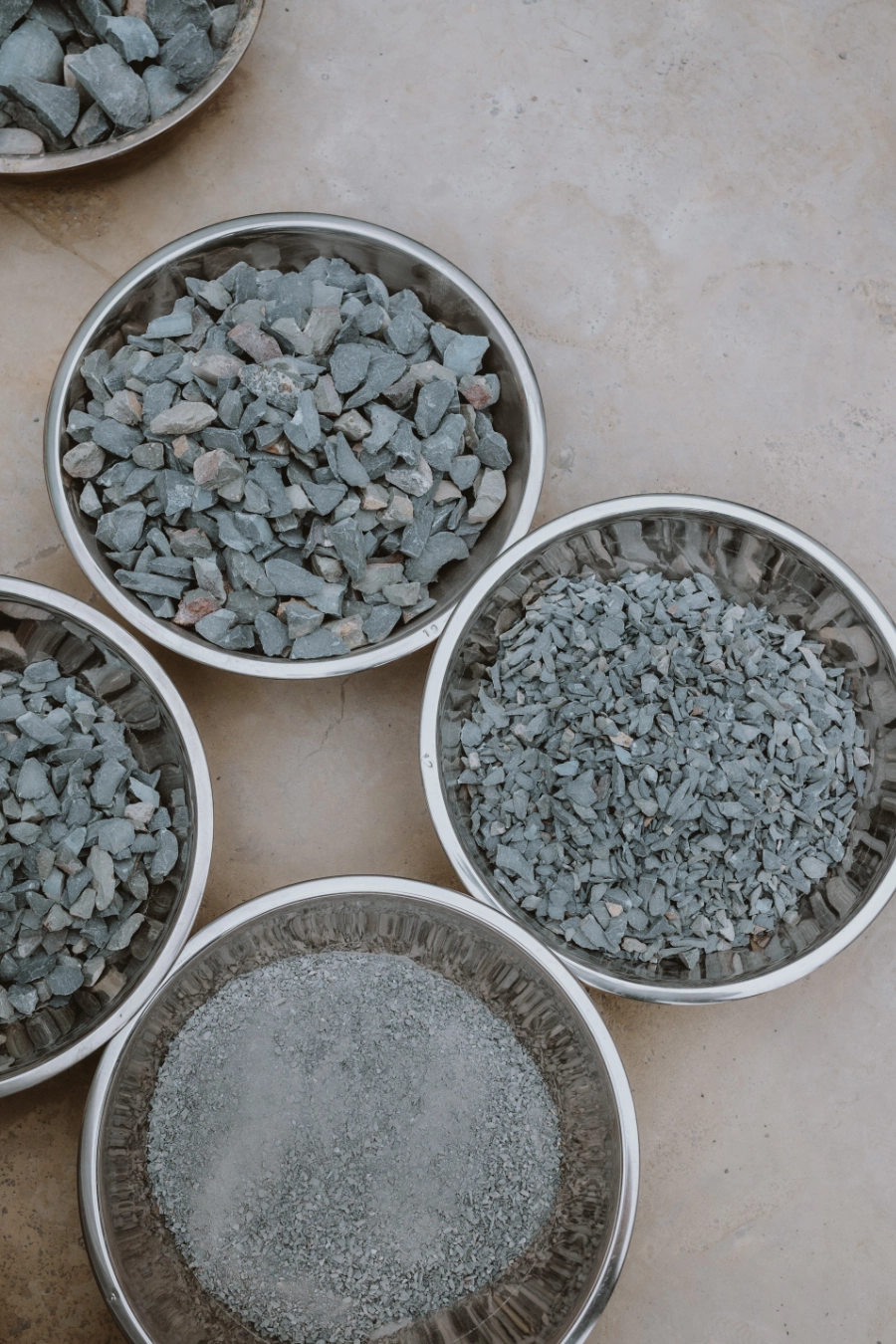
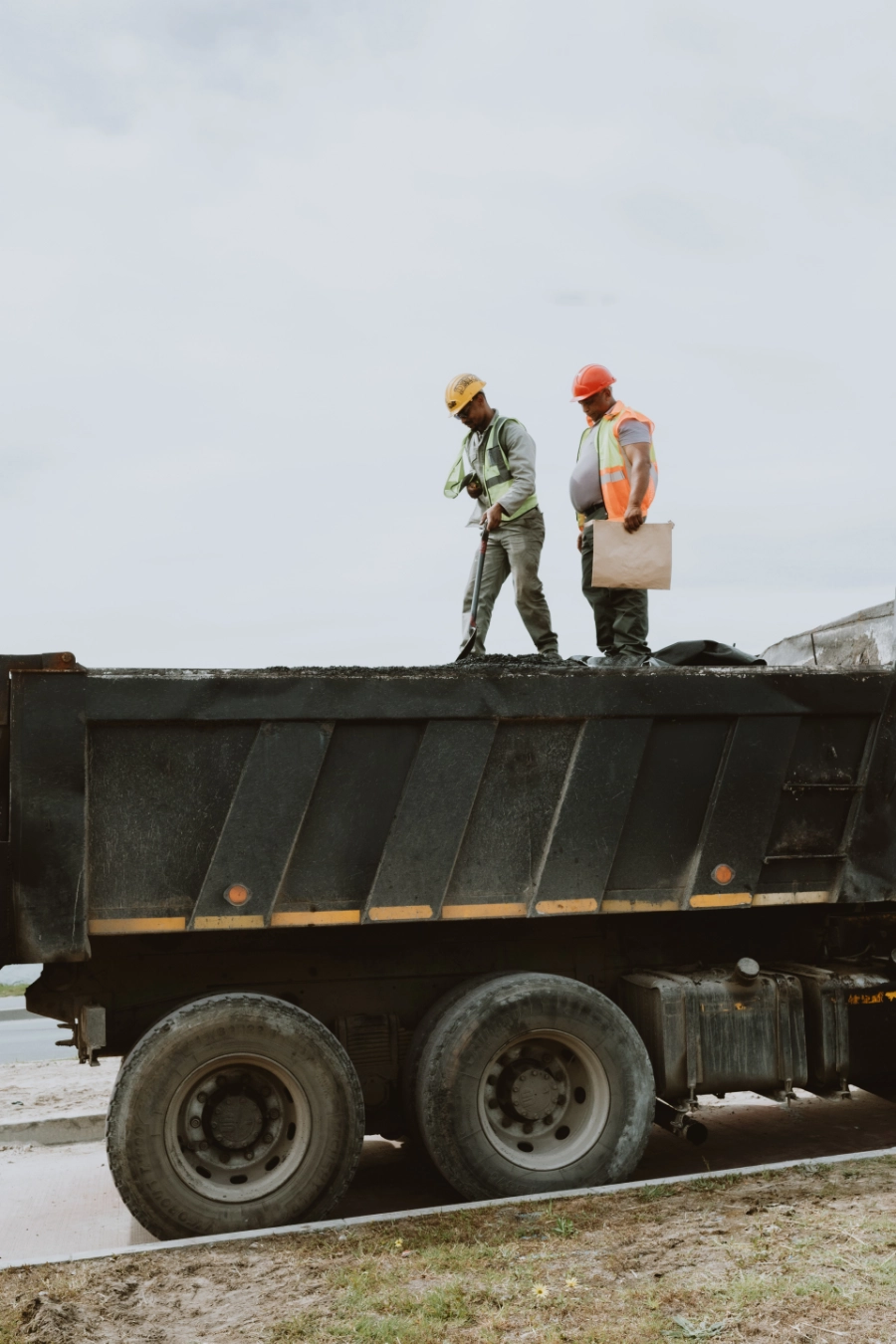
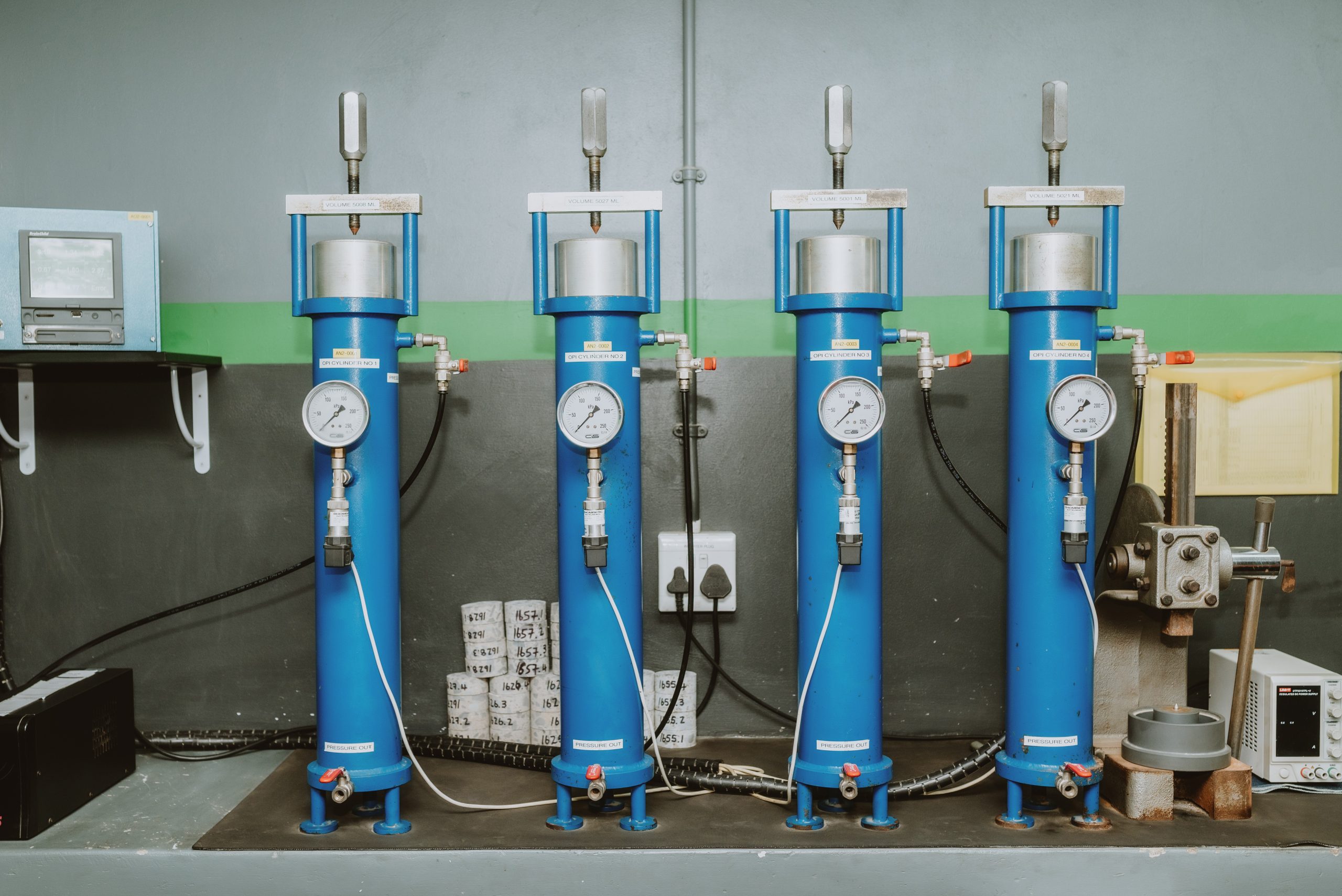
Our geotechnical investigations are performed by technologists, geologists, and trained technicians to obtain information on the physical properties of soil and rock around a site. This information is crucial for proposed structures and for addressing distress in earthworks and structures caused by subsurface conditions.
A geotechnical investigation typically includes surface and subsurface exploration. In some cases, geophysical methods are used to gather additional site data. Subsurface exploration usually involves soil sampling and subsequent laboratory testing of the retrieved samples.
Standard tests include:
- Consolidated Undrained Triaxial
- Consolidated Drained Triaxial
- Unconsolidated Undrained Triaxial
- Flexible Wall Permeability
- Shearbox
- Falling Head Permeability
- Constant Head Permeability
- Oedometer
- Double Oedometer
- Swell Pressure Constant Load
- Collapse Potential
- Specific Gravity
- Moisture Content
- Wax Density
- Porosity
- Crumb
- Pinhole
- Relative Density – Rock Sample
- Swell Index
- Rowe Cell Clay & Tailings
- Direct Simple Shear
- Cyclic Simple Shear
- Bender Element
- Consolidated Undrained Triaxial Clay
- Consolidated Undrained Triaxial Tailings
- Consolidated Drained Triaxial Clay
- Consolidated Drained Triaxial Tailings
- Triaxial Consolidation
- UCS on Rock Cores
- Point Load Test on Rock